.png)
- Památky a expozice
- Program a vzdělávání
- Sbírky a výzkum
- Sbírky a fondy
- Textil
- Kovy a 3D předměty
- Vizuální umění
- Rukopisy a nálezy z geniz na papíře
- Vzácné tisky
- Archiv
- Dokumentace šoa
- Sbírka Rozhovory s pamětníky
- Fotoarchiv
- Péče o sbírky
- Restaurátorské dílny
- Výpůjčky předmětů ze sbírkového fondu Židovského muzea v Praze
- Dary a akvizice
- Kabinet Friedl
- Osvědčení k vývozu předmětu kulturní hodnoty
- Provenienční výzkum a bezúplatné převody ze sbírek ŽMP
- Digitální sbírky
- Věda a výzkum
- Sbírky a fondy
- Zapojte se
- Média

Never Alone: The Burial Brotherhood and Jewish Funeral Rituals in Prague
In Jewish tradition, no one should ever be left alone at the end of life — nor after it. This principle lies at the heart of the Burial Brotherhood, known in Hebrew as Chevra kadiša (חֶבְרָה קַדִּישָׁא), one of the most important and compassionate institutions in Jewish communal life. In Prague, its history stretches back centuries and is inseparably connected with the Old Jewish Cemetery, the Ceremonial Hall, the Klausen Synagogue, and Maisel Street.
What Is the Burial Brotherhood (Chevra kadiša)?
The Chevra kadiša, literally “the holy society,” was a voluntary brotherhood responsible for caring for the sick, the dying, and the deceased. Its work was considered the highest form of kindness — a chesed shel emet, a “true act of mercy,” because it could never be repaid.
The guiding idea was simple yet profound:
a person must never be alone — neither in their final moments nor in death.
Members of the brotherhood accompanied the dying, watched over the deceased, prepared the body for burial, and supported the family. Their service ensured dignity, continuity, and presence at a moment of ultimate vulnerability.
The History of the Burial Brotherhood in Prague
The Prague Chevra kadiša was founded in the late Middle Ages and soon became one of the most respected institutions of the Jewish community. By the 16th and 17th centuries, it operated as a highly organized body with written statutes, ceremonial objects, and designated spaces for its work.
Its headquarters were located in Maisel Street, at the heart of the Jewish Town. Membership was regarded as an honour and a moral responsibility. The brotherhood played a central role not only in burial rites but also in shaping communal ethics and solidarity.
Rituals of Care: From Death to Burial
Jewish funeral rituals emphasize humility, equality, and respect for the human body.
Shmira – Never Alone
From the moment of death until burial, the deceased is never left unattended. Members of the Chevra kadiša keep vigil (shmira), often reciting psalms. This practice gives tangible meaning to the belief that even in death, a person remains part of the community.
Tahara – Ritual Purification
The ritual washing of the body (tahara) is carried out with great care and reverence. It symbolizes spiritual cleansing rather than physical hygiene and follows precise traditional rules. The body is then dressed in simple white burial garments, emphasizing equality in death.
Burial
According to Jewish law, burial should take place as soon as possible. The ceremony is modest and focused on remembrance rather than display. The community, guided by the Burial Brotherhood, accompanies the deceased to their final resting place.
Places Connected to the Burial Brotherhood in Prague
Old Jewish Cemetery
Used from the early 15th century until 1787, the Old Jewish Cemetery is one of the most important Jewish burial grounds in Europe. Thousands of layered graves bear witness to centuries of life, death, and remembrance. The Burial Brotherhood played a key role in every burial here.
Ceremonial Hall (Obřadní síň)
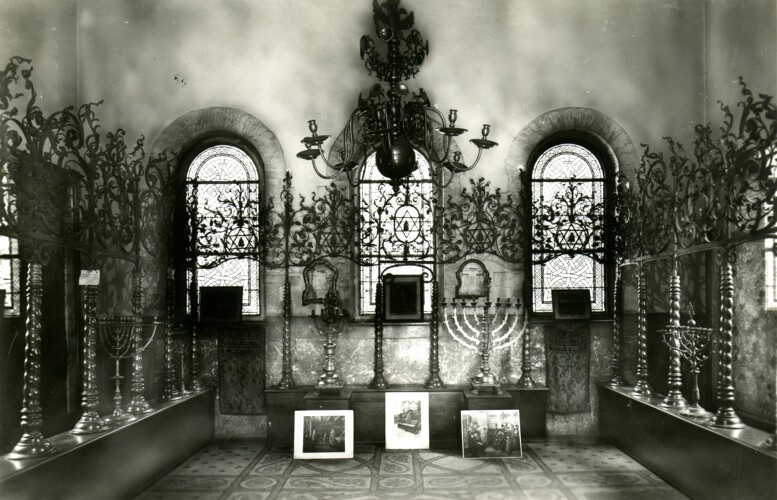
Built in the early 20th century, the Ceremonial Hall served the Prague Burial Brotherhood as a space for ritual preparation and mourning. Today, it houses an exhibition devoted to Jewish funeral customs and the work of the Chevra kadiša.
Klausen Synagogue
Once the largest synagogue in the Jewish Town, the Klausen Synagogue now presents exhibitions on Jewish traditions, festivals, and life-cycle rituals. Funeral practices and the role of the Burial Brotherhood form a central part of this presentation.
Maisel Street
Maisel Street was the historical seat of the Prague Chevra kadiša. From here, the brotherhood coordinated its work and maintained the ethical framework that governed care for the dead.
Meaning Beyond Ritual
The work of the Burial Brotherhood was not only practical, but deeply symbolic. It expressed core Jewish values: dignity, responsibility, equality, and presence. By ensuring that no one was ever abandoned, the Chevra kadiša transformed death into a communal act rather than a solitary one.
This tradition also shaped the physical and spiritual landscape of Prague’s Jewish Quarter — from the layout of burial grounds to the architecture of ritual spaces.
Legacy Today
Although funeral practices have changed over time, the principles of the Chevra kadiša remain relevant. Through exhibitions and educational programs, the Jewish Museum in Prague preserves the memory of this institution and explains its meaning to contemporary audiences.
The message endures: even at the end of life, you are not alone.
Frequently Asked Questions
What does Chevra kadiša mean?
It means “holy society” and refers to the Burial Brotherhood responsible for caring for the dead according to Jewish
law.
Why is the deceased never left alone?
Jewish tradition holds that human dignity continues after death. Vigil (shmira) ensures respect and spiritual presence.
Where did the Prague Burial Brotherhood operate?
Its activities were connected with Maisel Street, the Old Jewish Cemetery, the Ceremonial Hall, and the Klausen Synagogue.
Is tahara mandatory?
Yes. Ritual purification is a fundamental part of Jewish burial practice.
Can visitors learn about these traditions today?
Yes. The Jewish Museum in Prague presents permanent exhibitions on Jewish funeral rituals and the work of the Burial Brotherhood.
Sources
-
Hevra Qadisha Archives - Central Conference of American Rabbis
-
jewishvirtuallibrary.org/funeral-service-and-burial-in-judaism
-
H. J. Zimmels, Ashkenazim and Sephardim (chapters on burial societies)
Recommended articles
Jewish Quarter in Prague: History and What to See
The Old Jewish Cemetery: Memory, Space, and Meaning
Golem of Prague: Legend of Rabbi Loew’s Creation
Josefov: A Complete Guide to Prague’s Historic Jewish Quarter
Prague Museums: Top Museums You Shouldn’t Miss in the City
Author
This article was prepared by the team at the Jewish Museum in Prague, which has preserved Jewish heritage since 1906. The museum holds one of the most extensive Judaica collections in the world outside Israel. Through exhibitions, publications, and educational programs, its mission is to promote understanding of Jewish history, culture, and traditions — in the Czech Republic and beyond.
![[Incident2.png]](https://c.jewishmuseum.cz/images/Incident2.png)